Written and curated by Payton James, in collaboration with the 2026 Mansfield Training School Memorial and Museum Research Team.
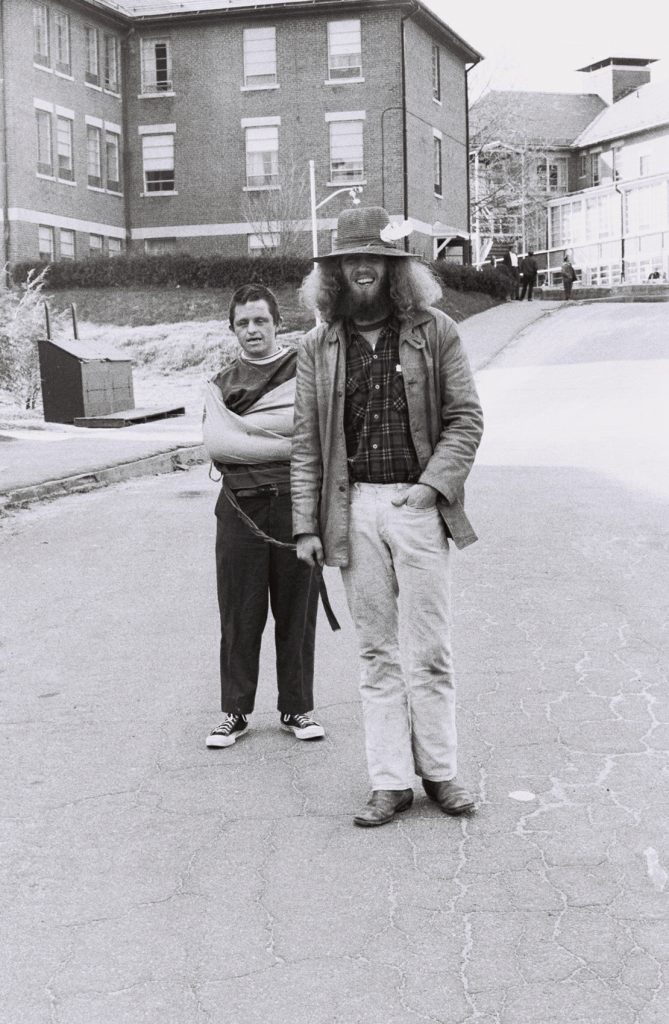
John McGill photographed life at Mansfield Training School while completing his Master of Fine Arts in photography at the University of Connecticut from 1969 to 1972. With permission granted by the institution, he created a body of work for his MFA portfolio. For this gallery, a subset of McGill’s photographs were selected by Payton James and Jess Holleran, members of our Summer 2026 student research team, to represent recurring themes found throughout his documentation of Mansfield Training School and across the broader archival collections.
The process of selecting and presenting these photographs raises questions about how historical images should be presented. As discussed in Behind the Black Bar, decisions about what is visible and what is obscured can affect how viewers understand the people depicted. Similarly, Can and Should a Caption Ever Truly Be Objective? examines how the language placed alongside a photograph shapes what viewers notice and how they interpret what they see. The photographs in this gallery are therefore presented with an awareness that neither the images nor the words accompanying them can provide a complete account of the lives they document.
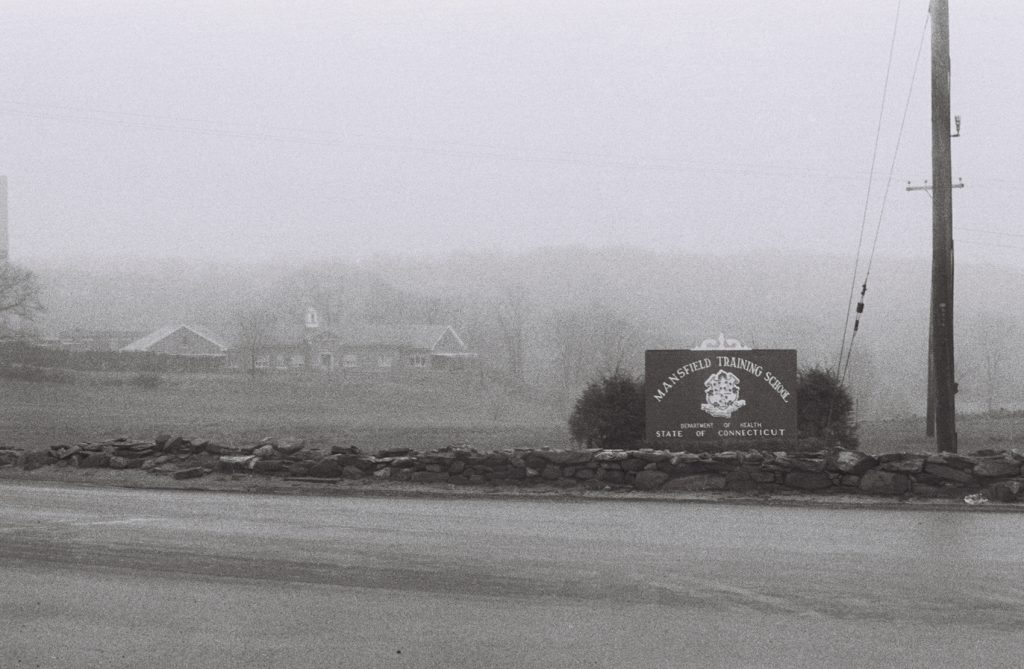
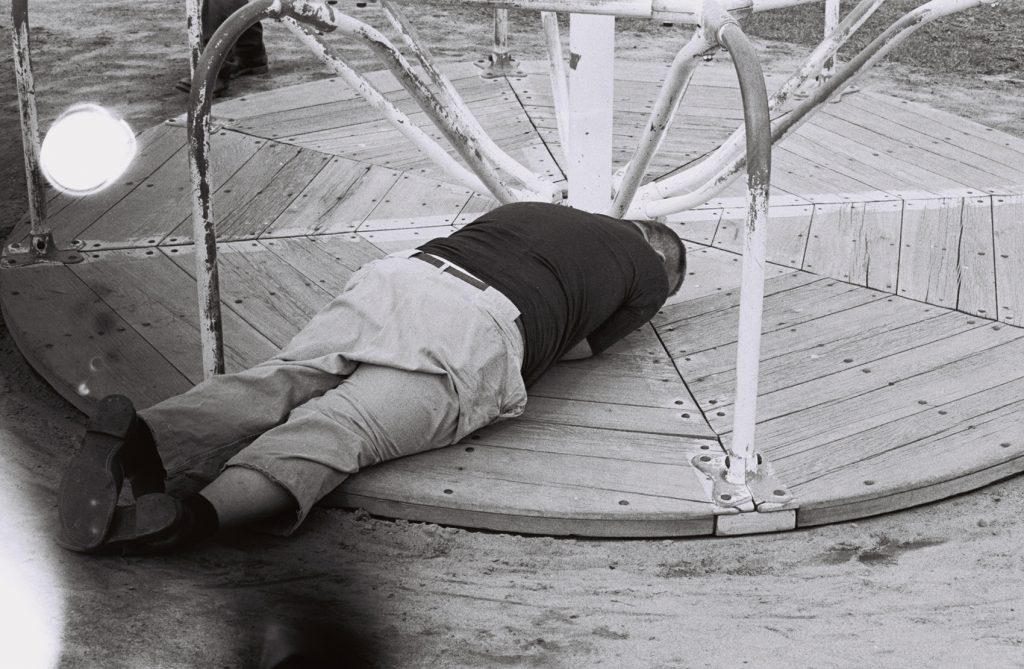
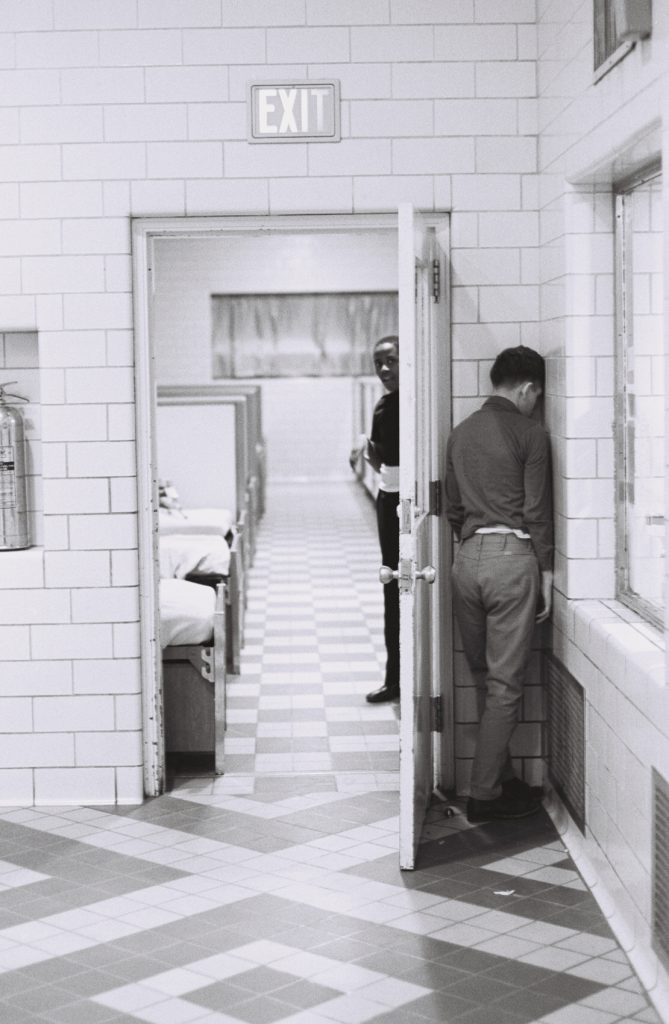
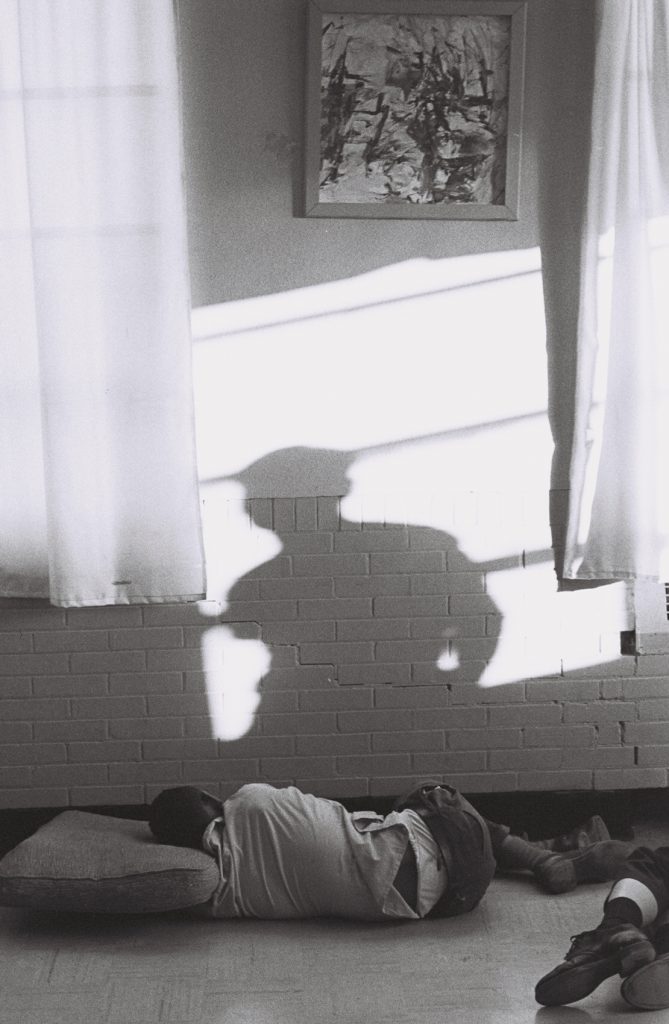
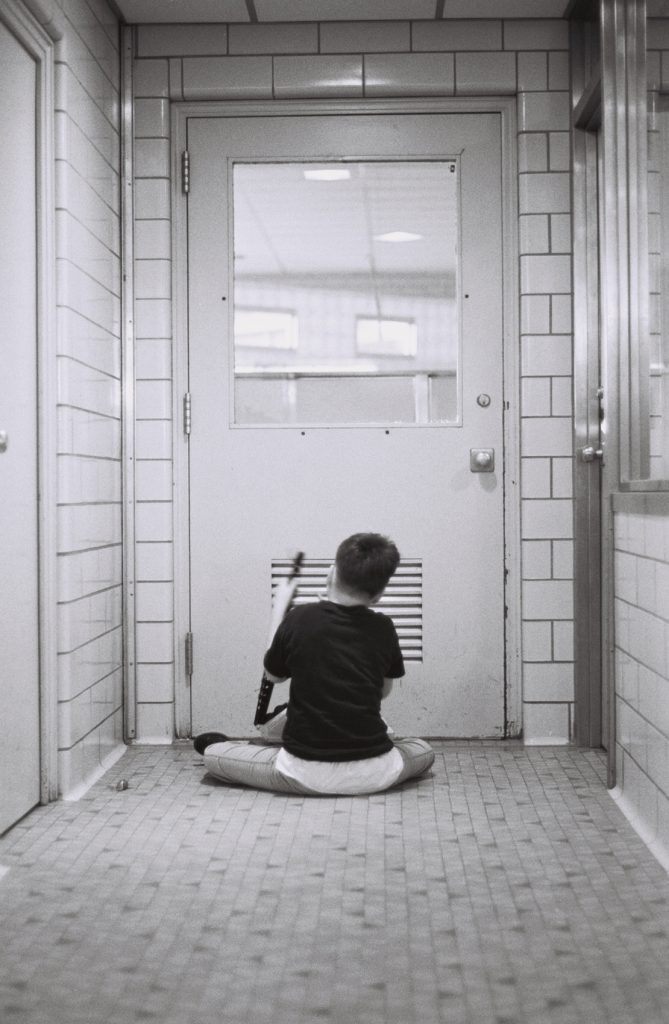
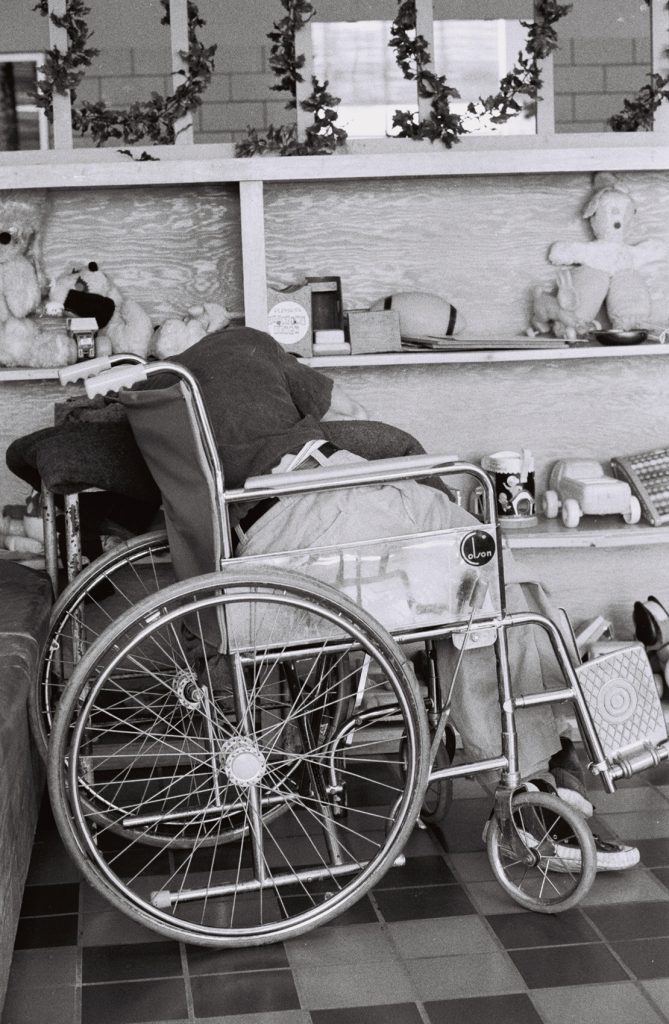
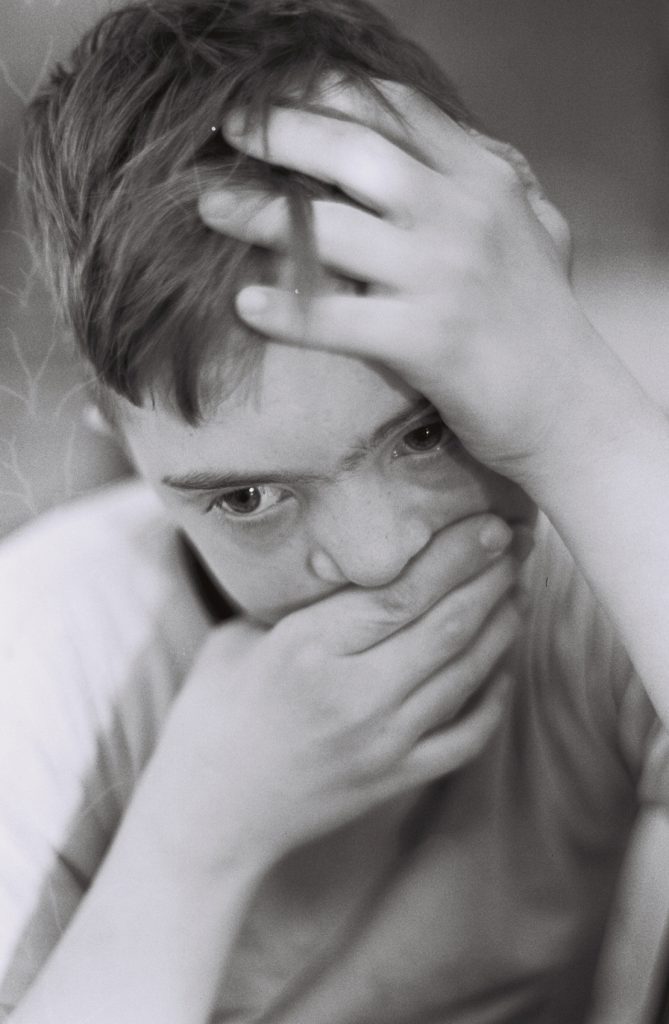
Isolation
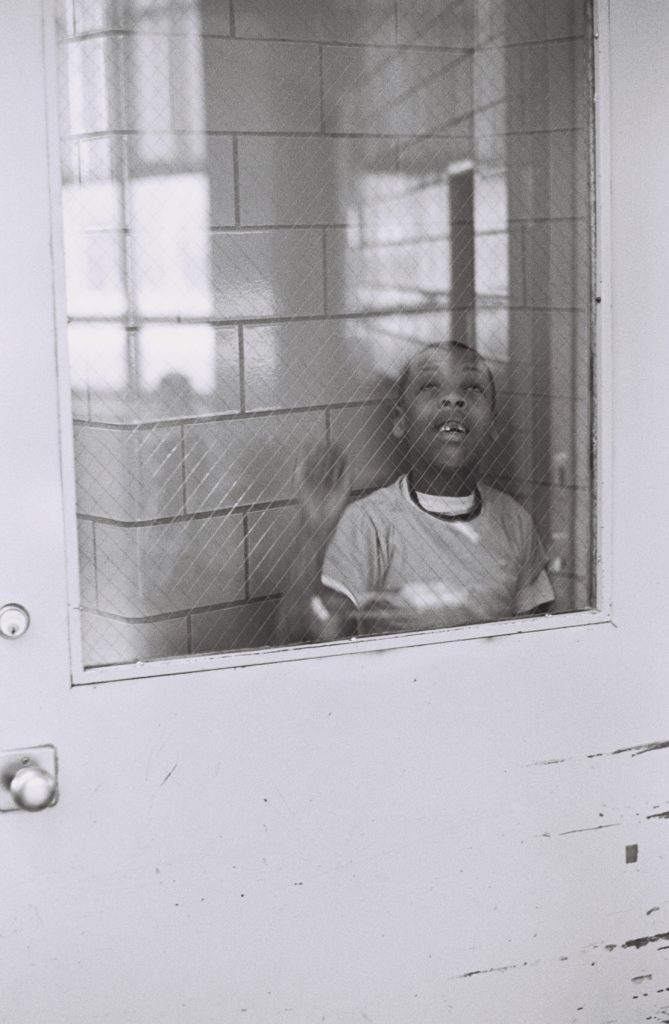
Life in an institution often meant separation from one’s home, family, and personal autonomy. Isolation shaped many residents’ experiences, whether physically or emotionally. These photographs offer glimpses into residents’ experiences of isolation.
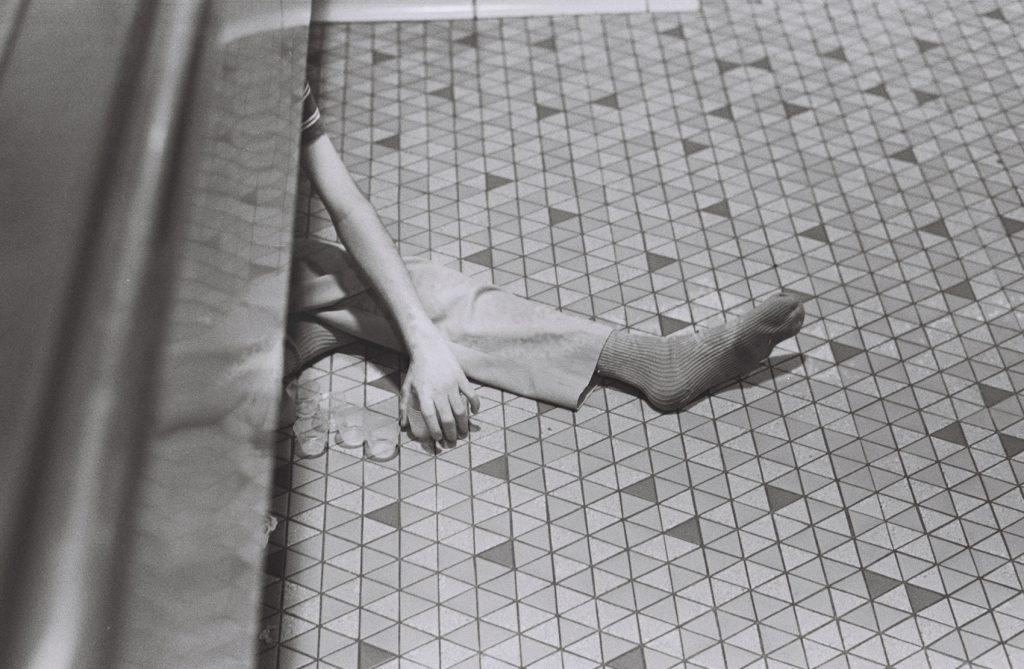
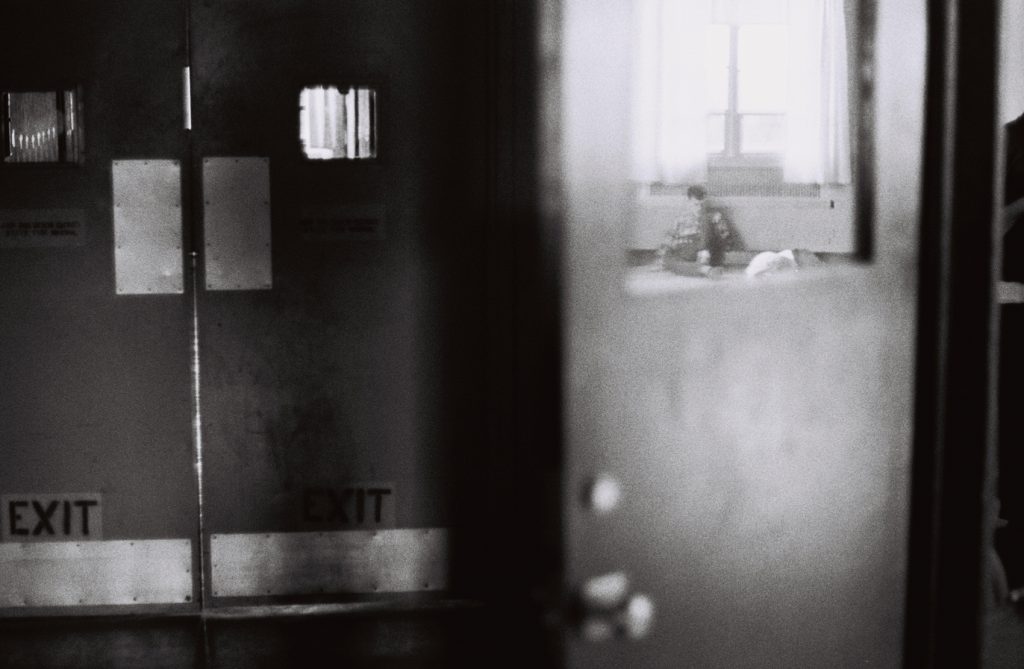
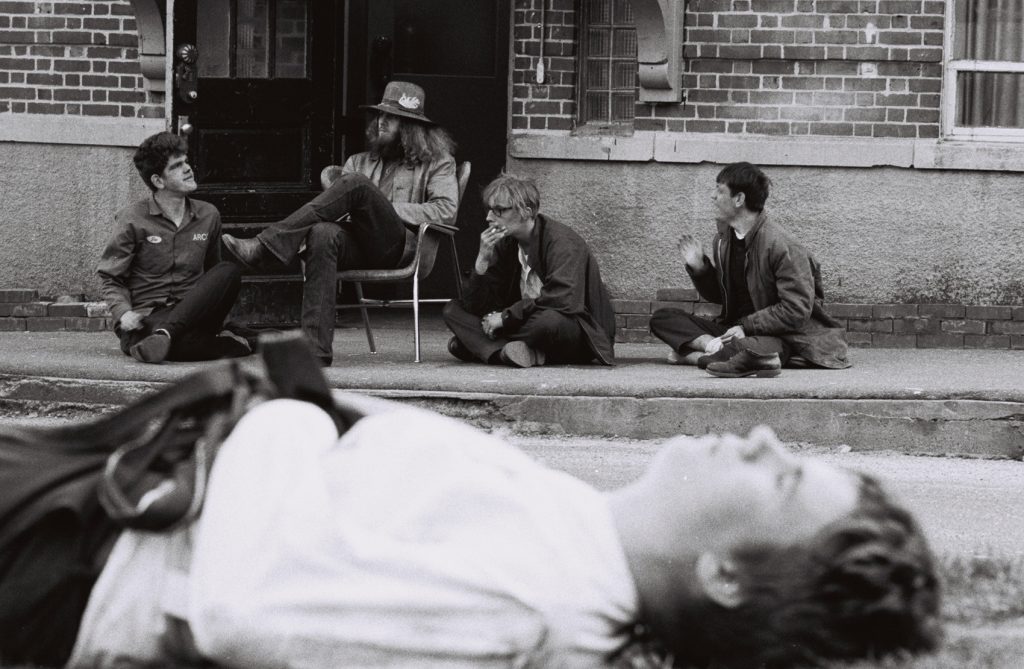
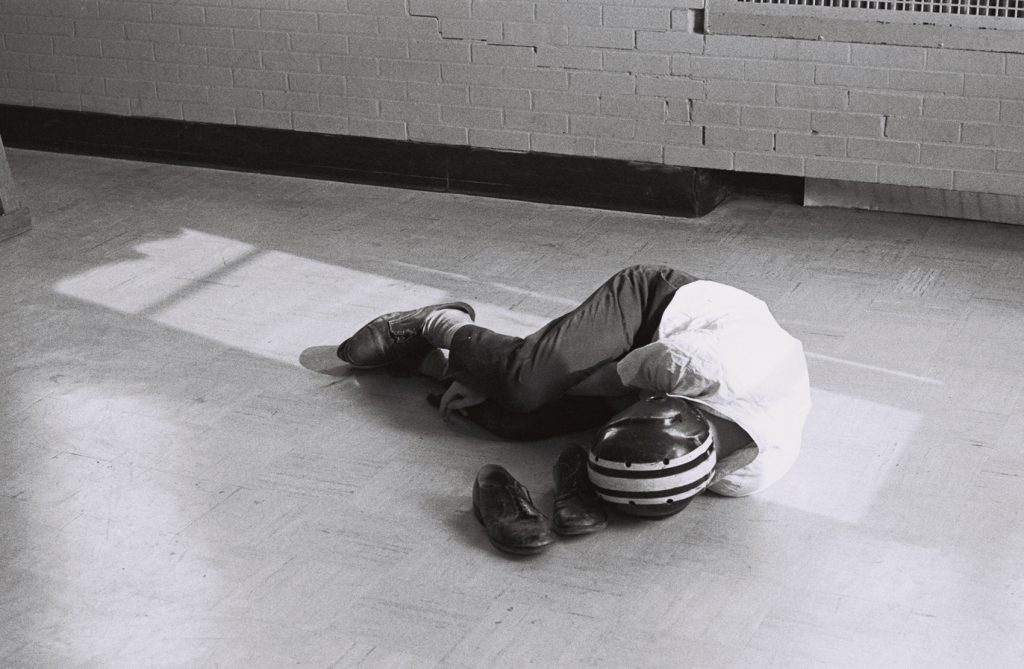
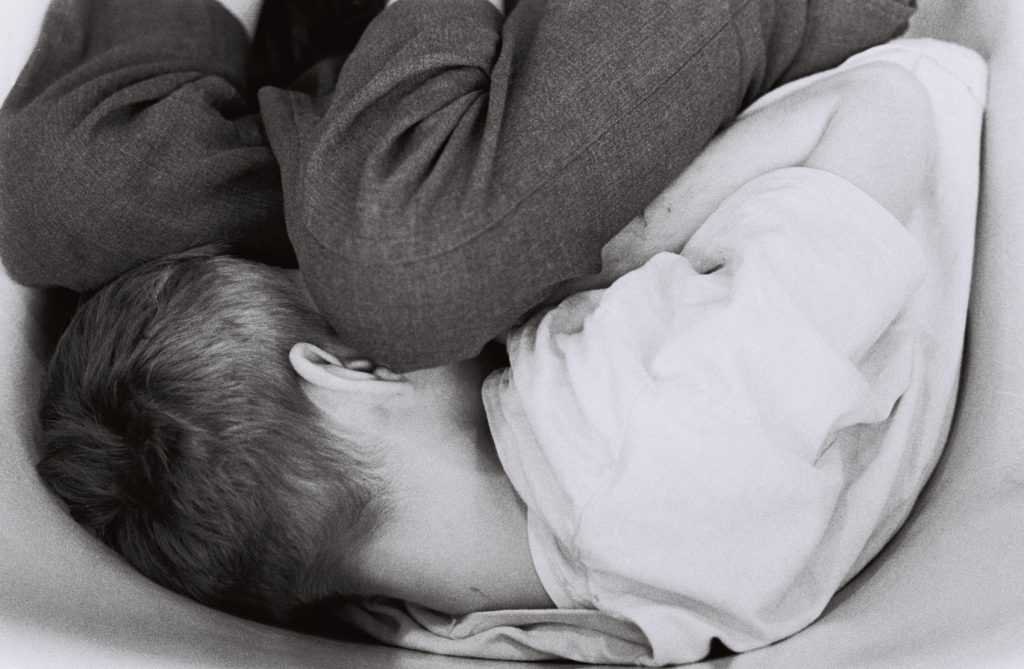
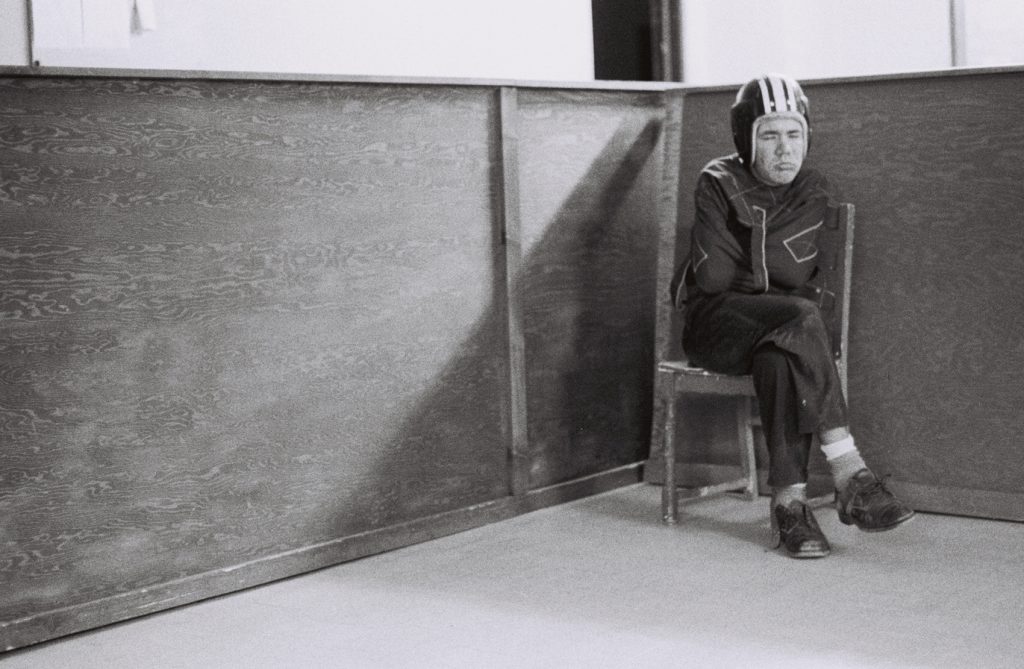
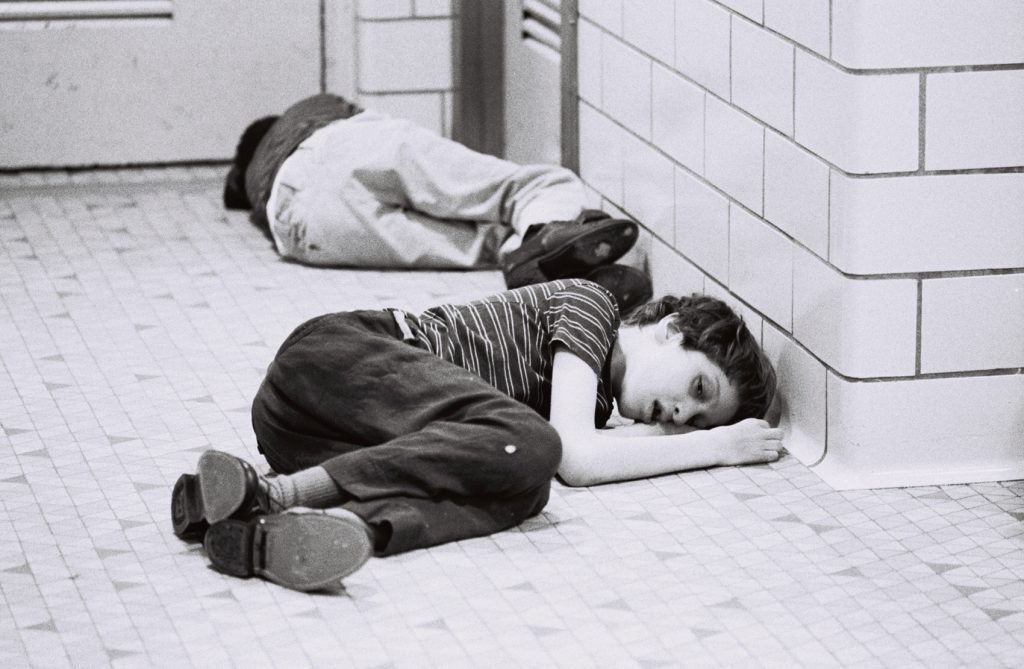
Injuries
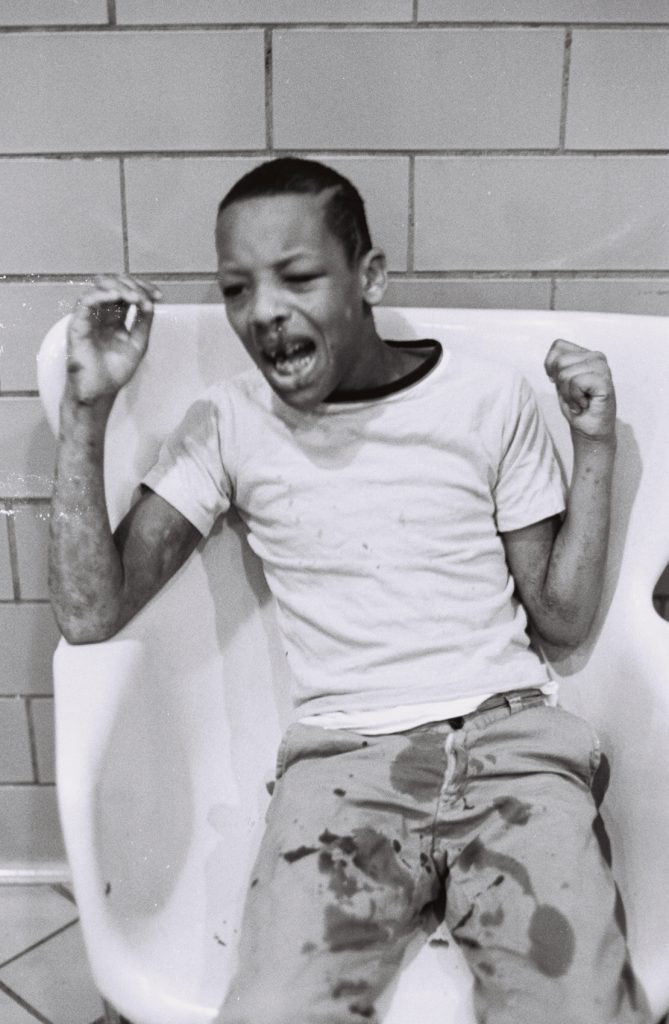
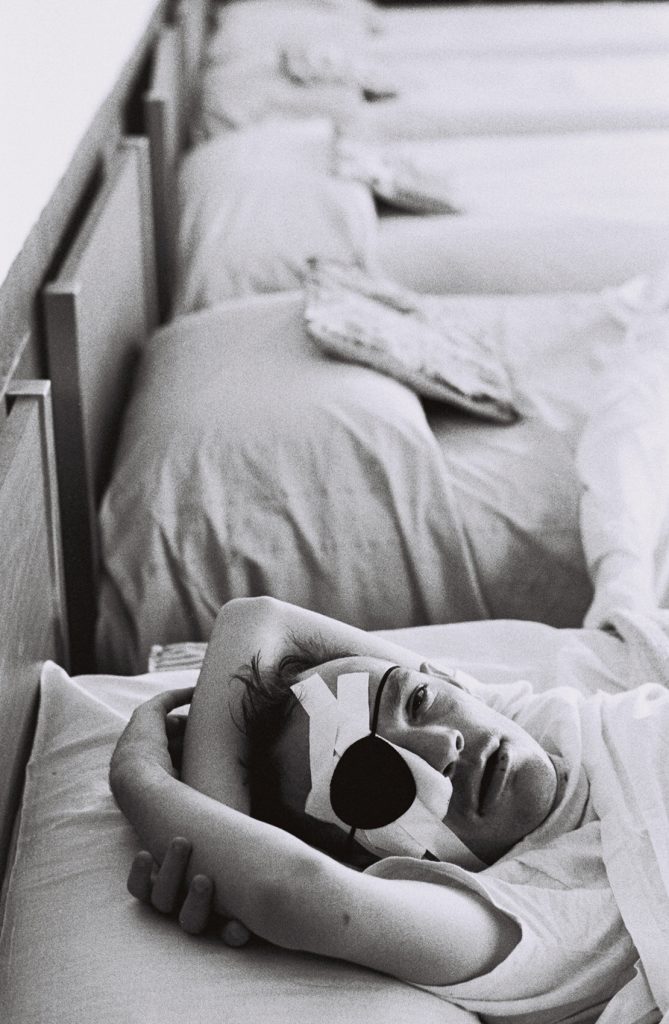
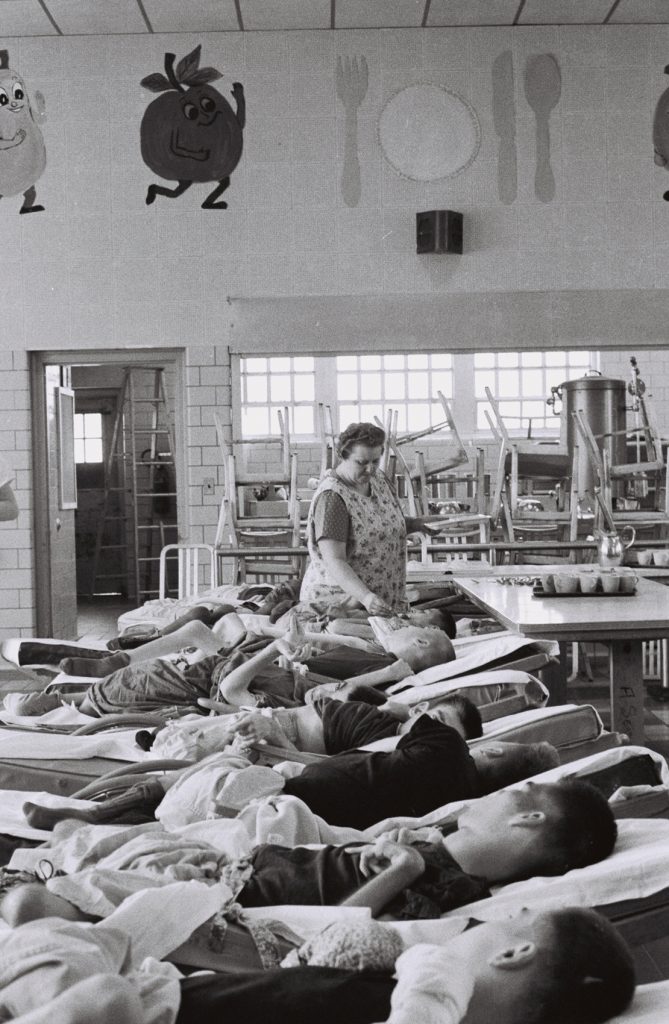
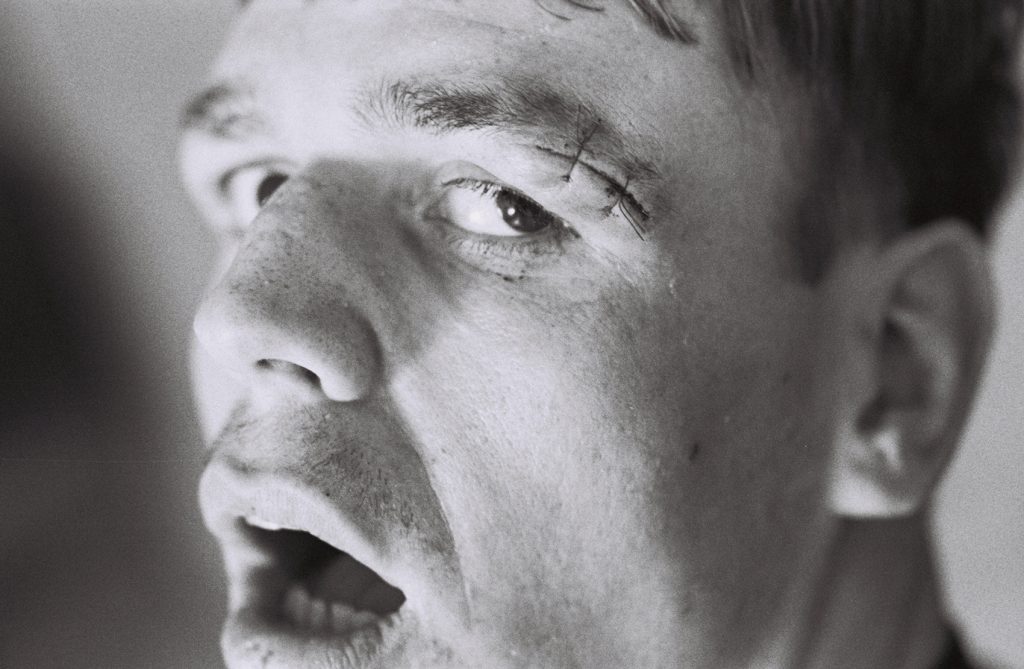
Life in the Mansfield Training School institution presented risks to residents’ health. Close living quarters contributed to the spread of illness, while some residents also experienced visible injuries. These images are glimpses of the health-related challenges of life at the Mansfield Training School.
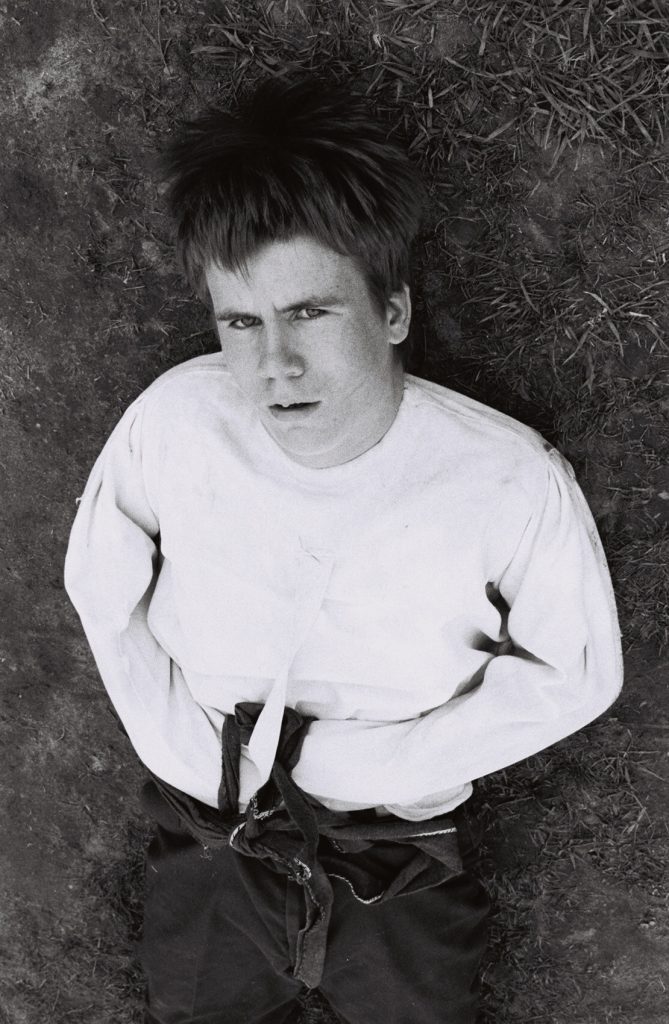
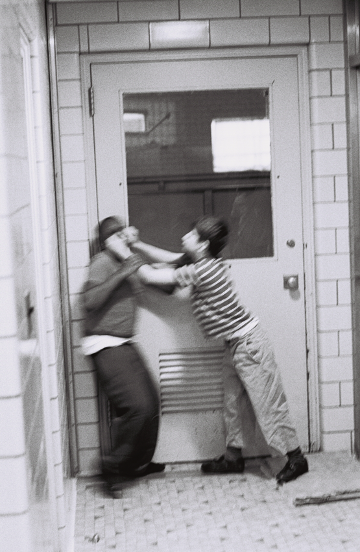
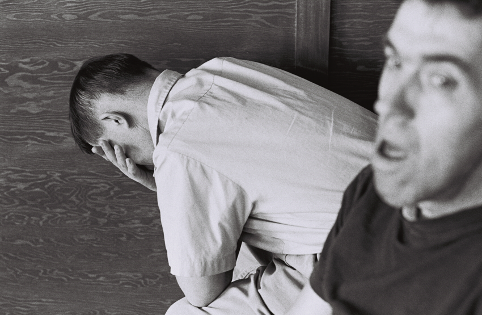
Anger
Institutionalization limited residents’ control over their own lives and independence. Moments of anger are preserved throughout McGill’s photographs.
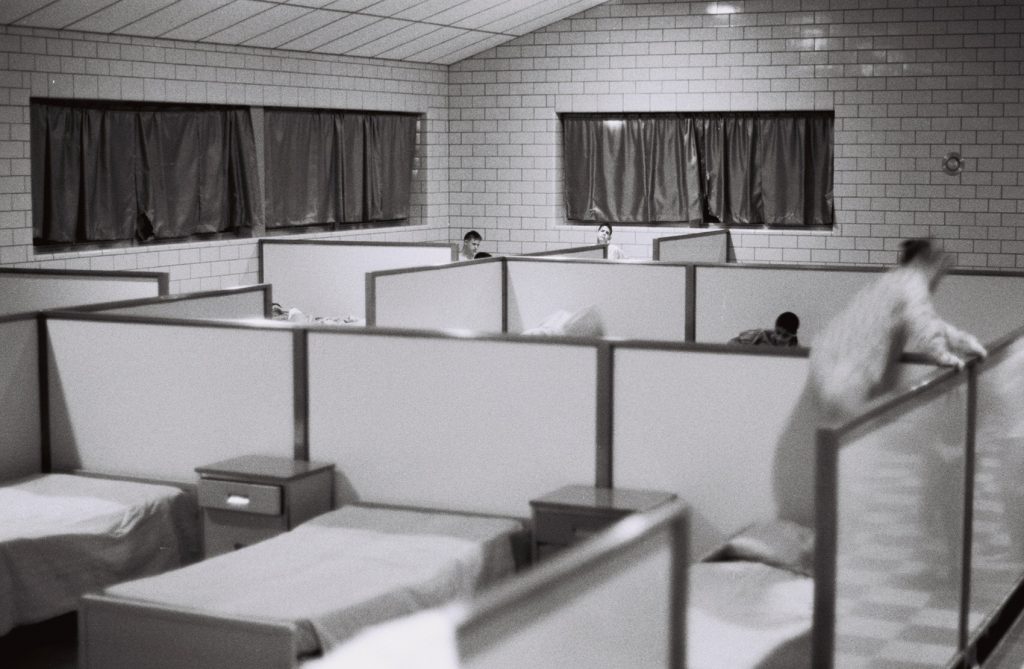
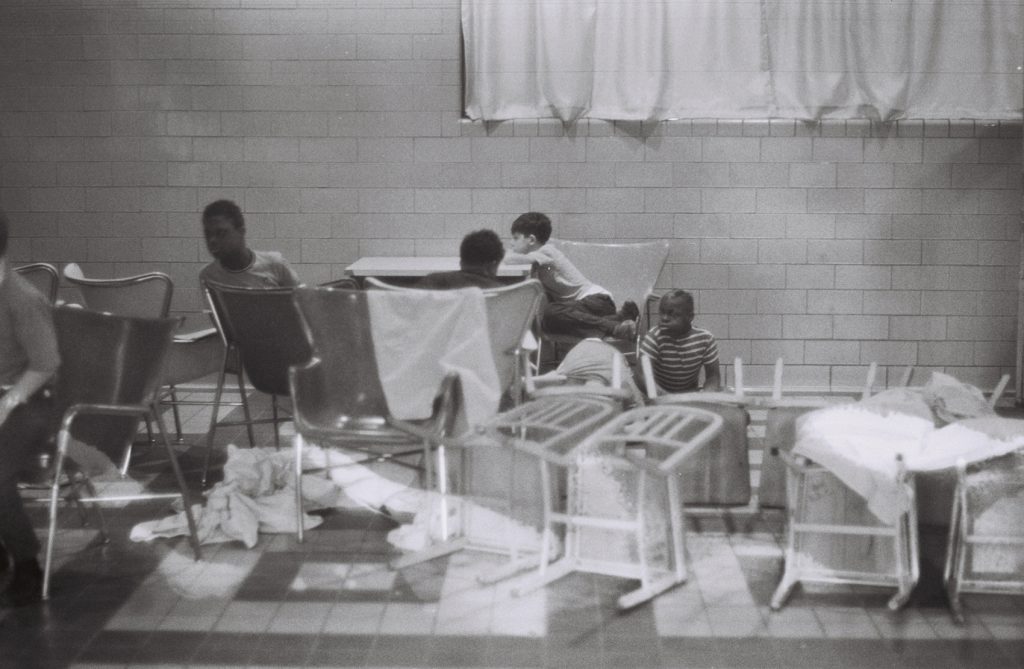
Living Conditions
Mansfield Training School was designed to house hundreds, even thousands, of residents at this time. The buildings, dormitories, and other common spaces shaped residents’ privacy and their sense of “home.” These photographs document the physical environment that influenced residents’ everyday experiences.
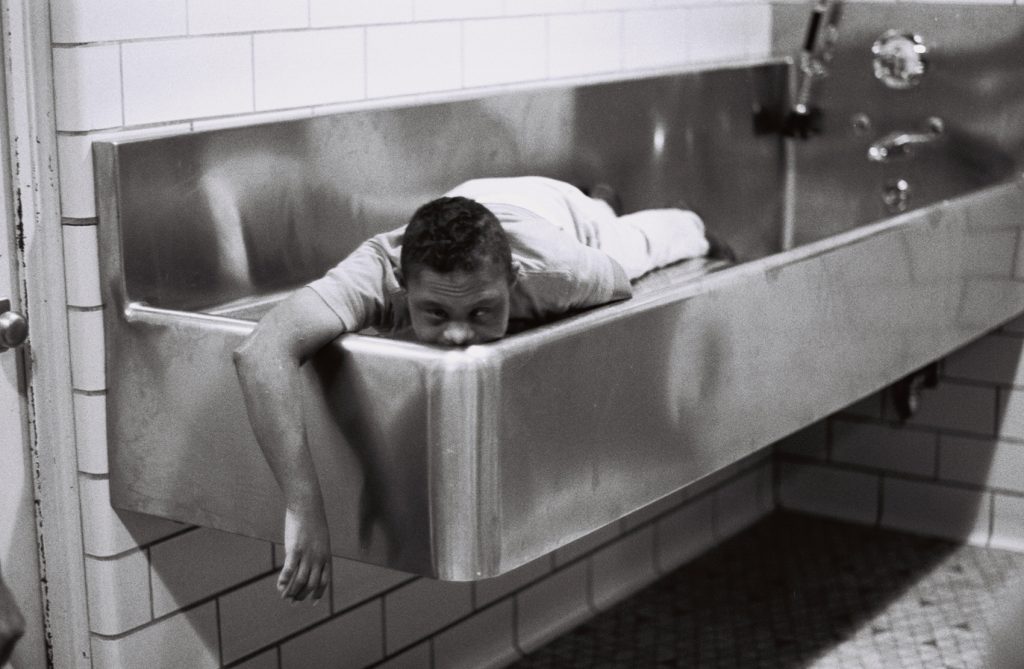
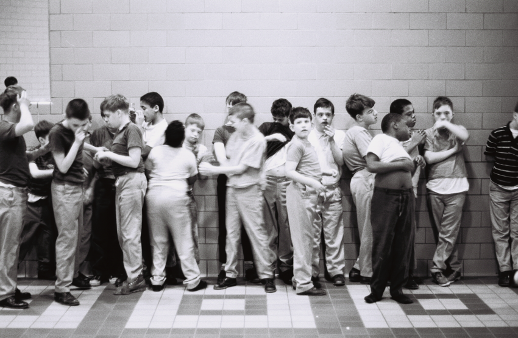
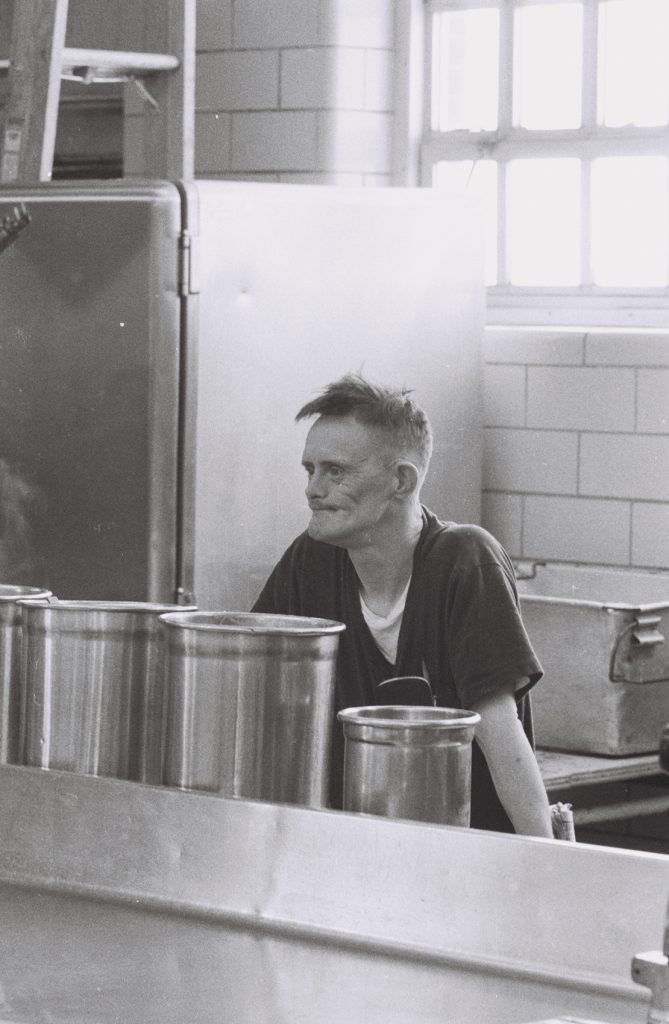
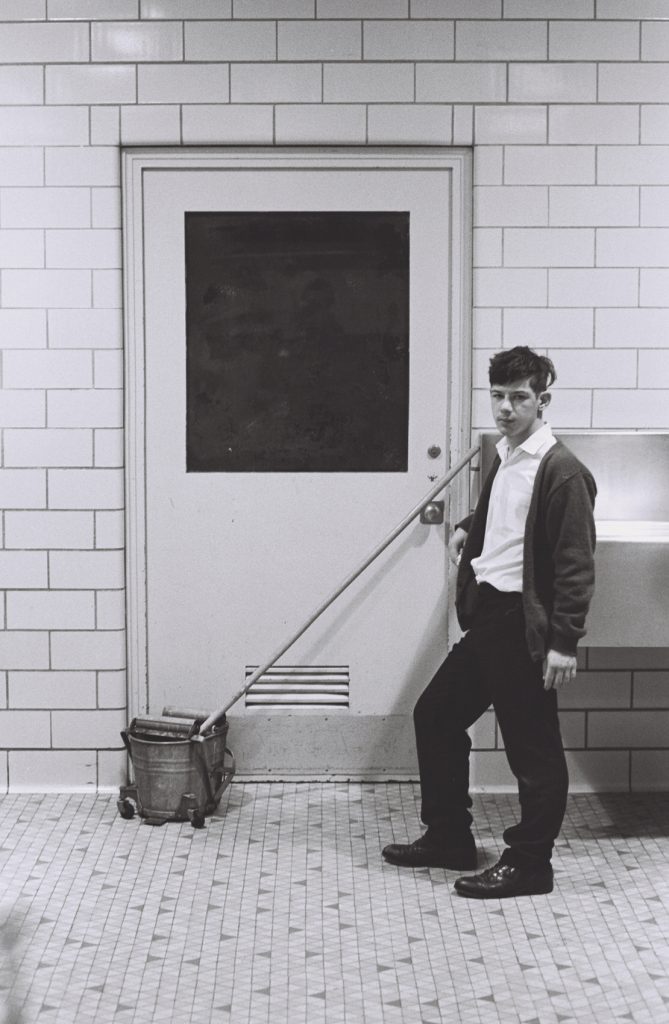
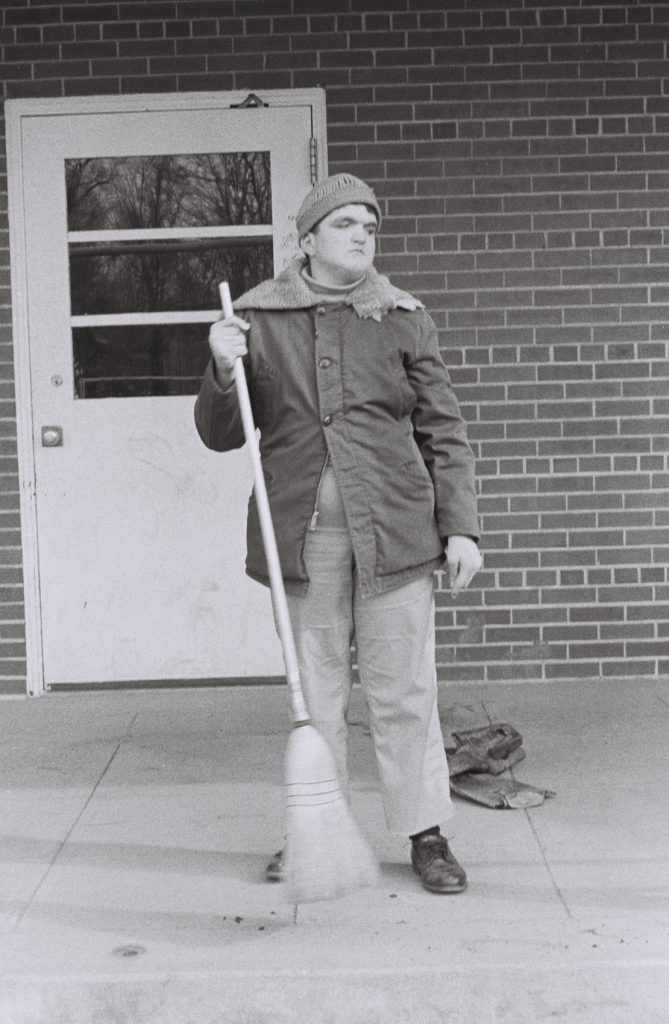
Occupational Therapy
A common feature of disability institutional programming has long been preparing, or “rehabilitating,” patients for the workforce. Oftentimes this occupational “therapy” was also a way that institutions could avoid hiring additional staff; these pictures offer a glimpse of what that practice looked like at Mansfield.
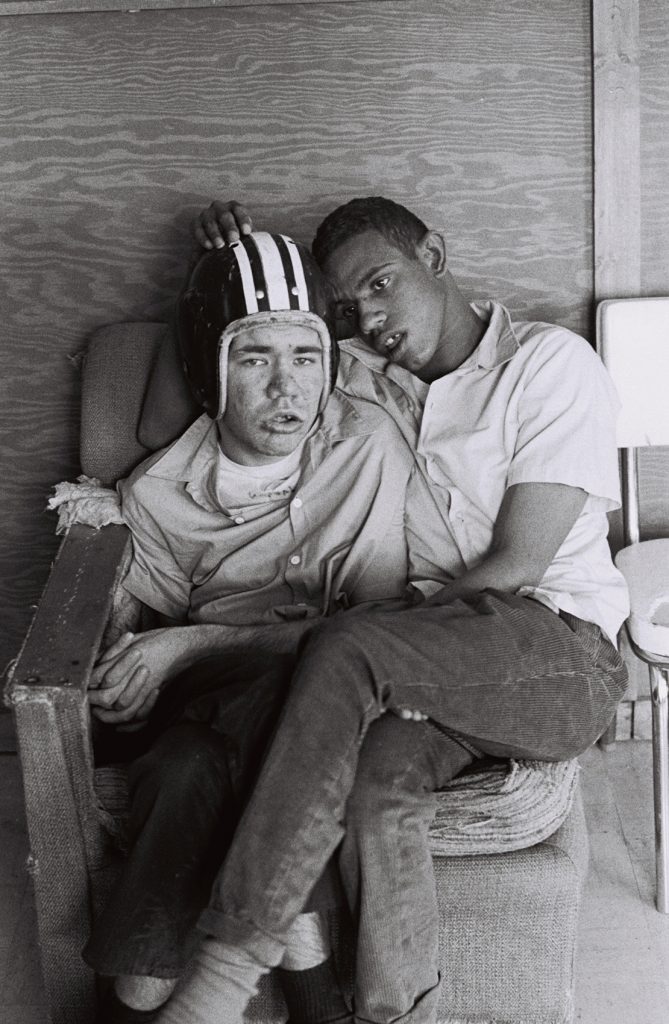
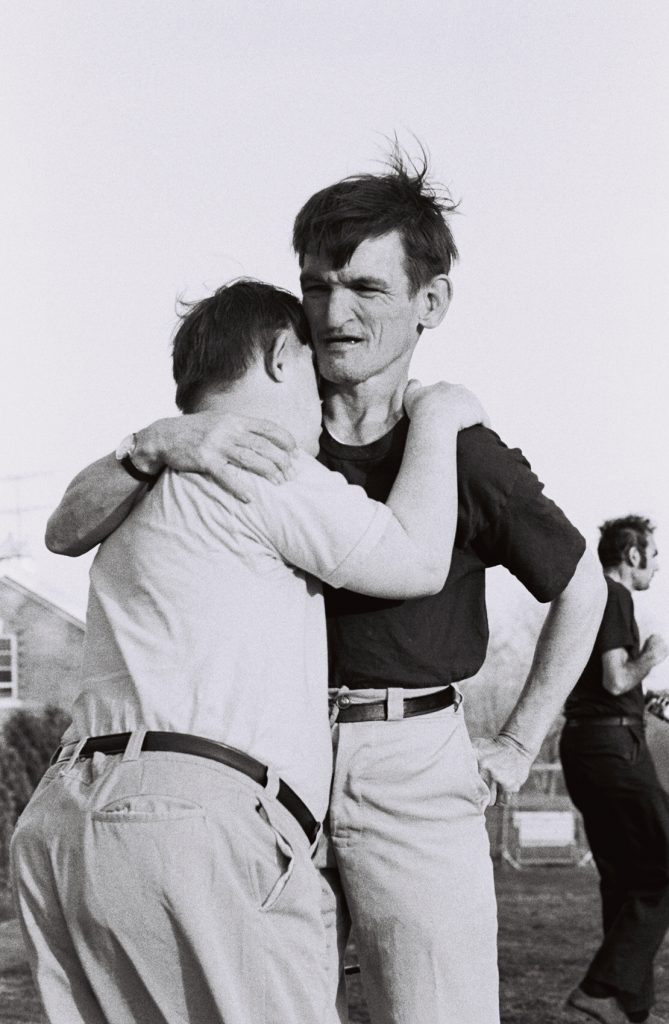
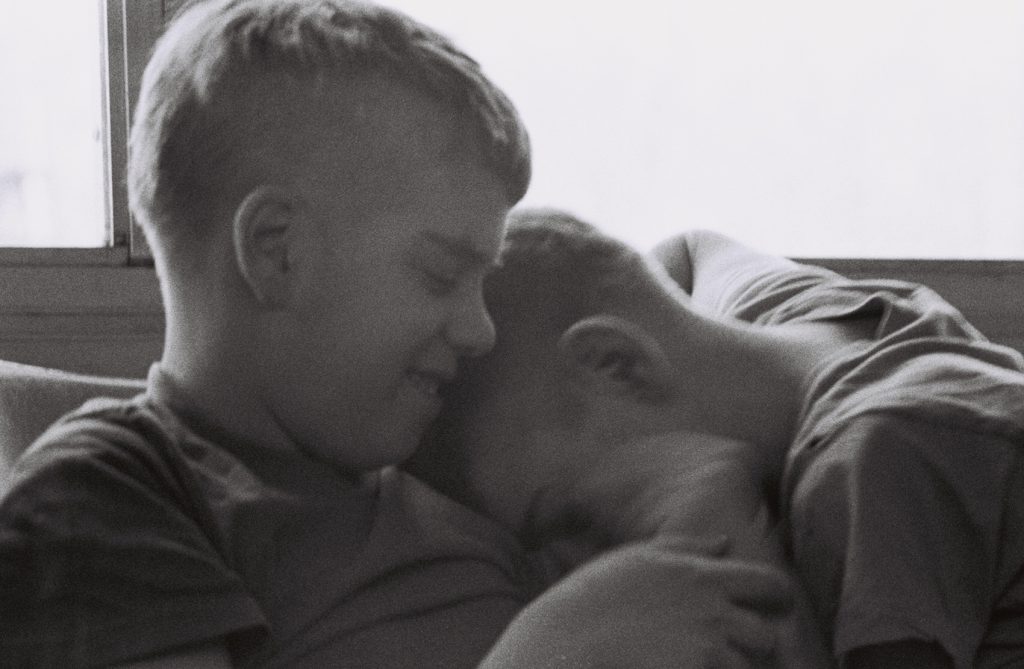
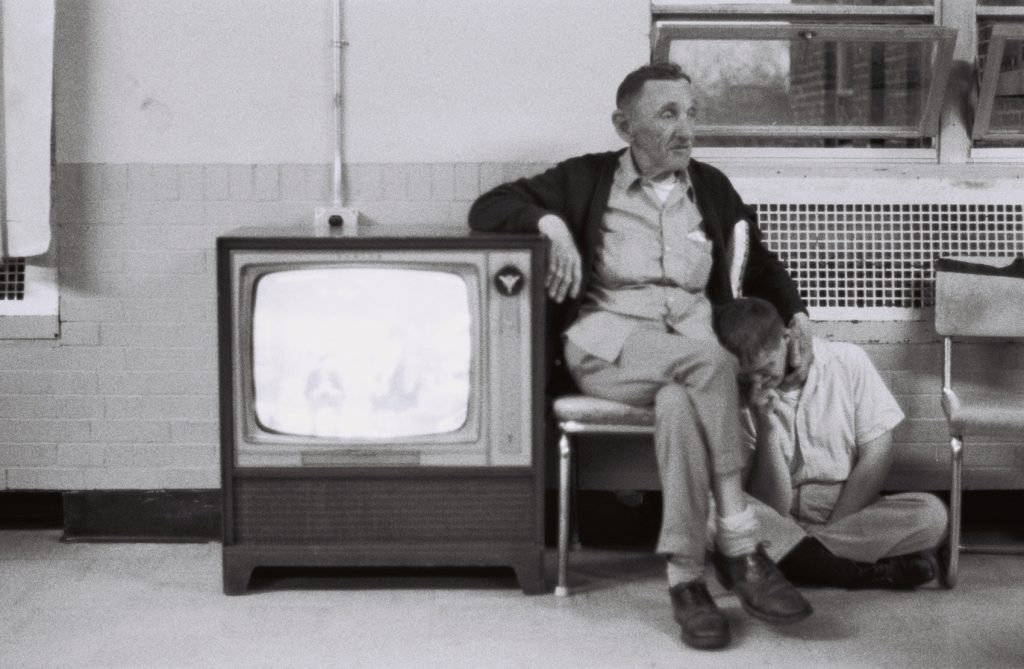
Seeking Comfort
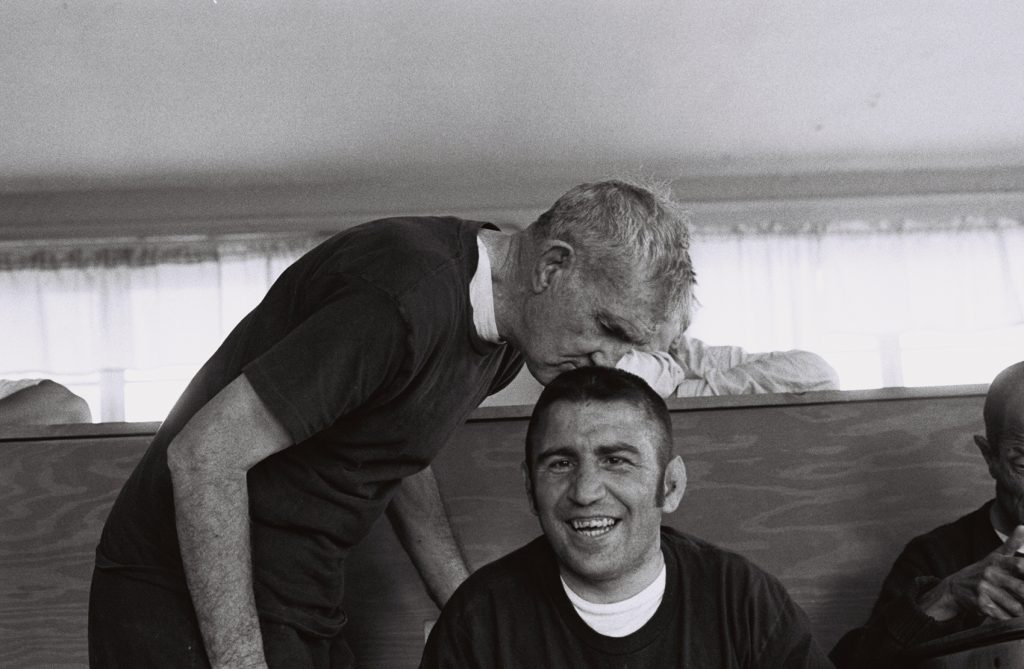
At Mansfield Training School, many of the residents relied on one another for companionship. Living apart from their families, residents often found comfort in the relationships they formed with fellow residents. These photographs reflect those opportunities for connection.
Bright Spots
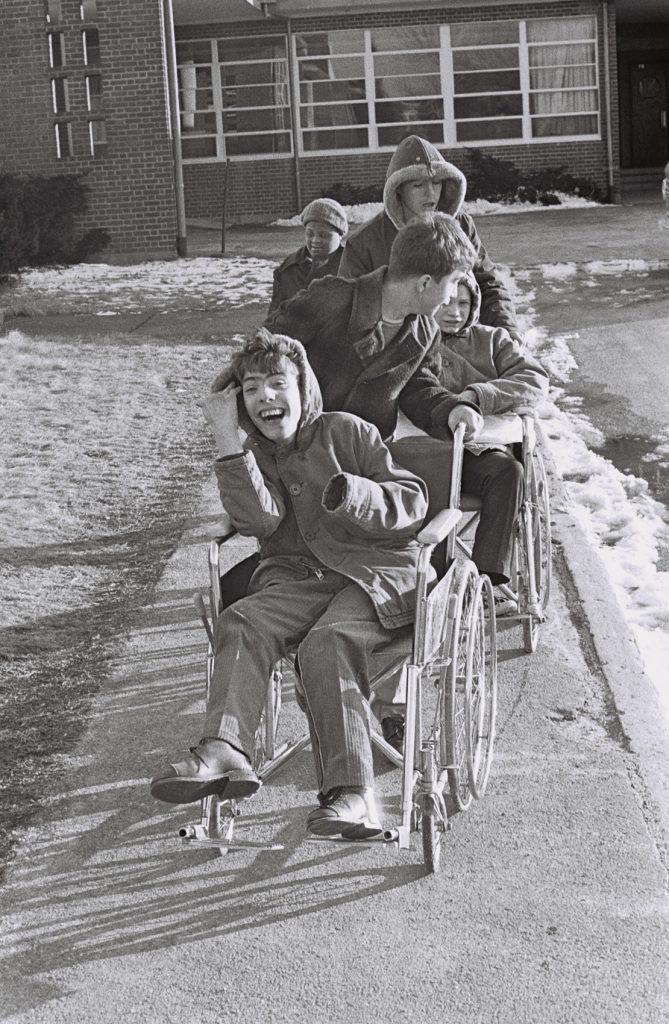
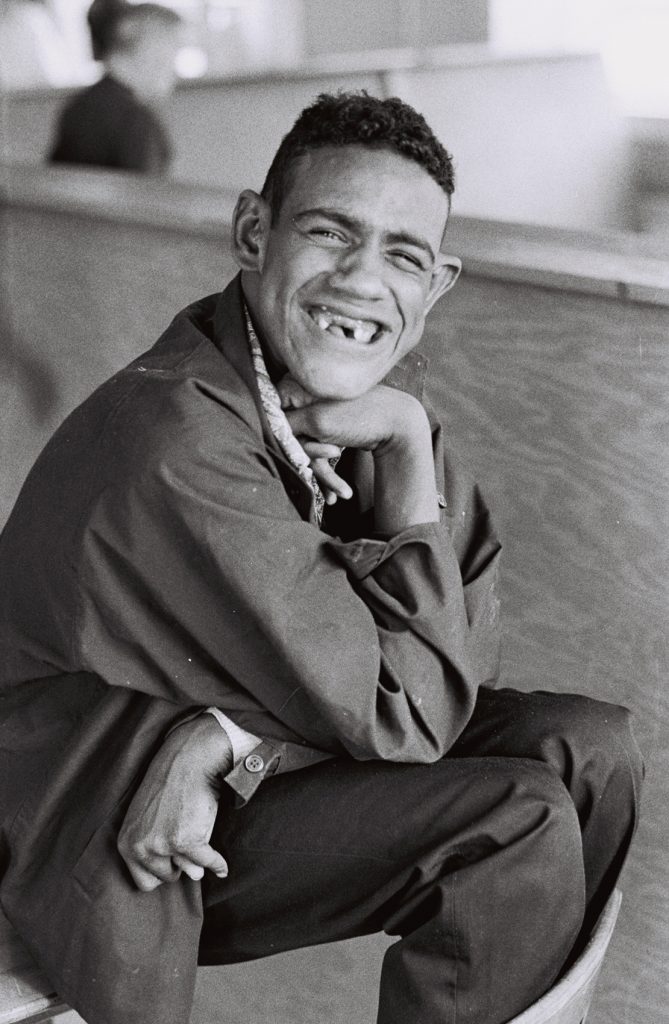
Life at Mansfield Training School was complex. Residents experienced joy alongside the real challenges of institutionalization. It is likely that no two residents experienced the school in the same way. These moments capture laughter, recreation, and the individuality of the people who lived there.
Moments of Notice
Some photographs stay with you, even if you cannot explain exactly why. These images do not fit neatly into another theme, but each stood out in their own way, eliciting unique reactions and shared conversation among the Summer 2026 research team members.
If you recognize a family member or loved one in any of the photographs or materials featured on this page and would like them to be named, or would prefer that their photograph be removed, please reach out to us through our Contact Us page. We welcome information from former students, families, and members of the Mansfield Training School community that can help us tell these stories with care and accuracy.